
Introduction
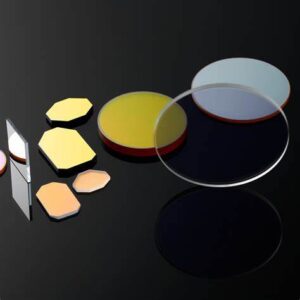
A germanium plant is a specialized manufacturing facility that refines germanium-bearing raw materials into high-purity germanium metal, germanium oxide, single-crystal germanium, germanium wafers and finished optical blanks for infrared, fiber-optic and semiconductor markets. For US optical system designers, defense integrators and procurement teams, understanding germanium’s material traits, germanium price per kg trends and processing limits is critical when sourcing from a germanium plant.
Germanium (Ge, atomic number 32) is a metalloid in Group 14 of the periodic table. It shares many chemical traits with silicon but delivers unique infrared transmission that makes it irreplaceable for thermal imaging, IR windows and night vision optics. This guide covers core material properties, germanium oxide chemistry, silicon and germanium comparisons, germanium uses, safety data and key facts engineers search for when evaluating germanium plant output.
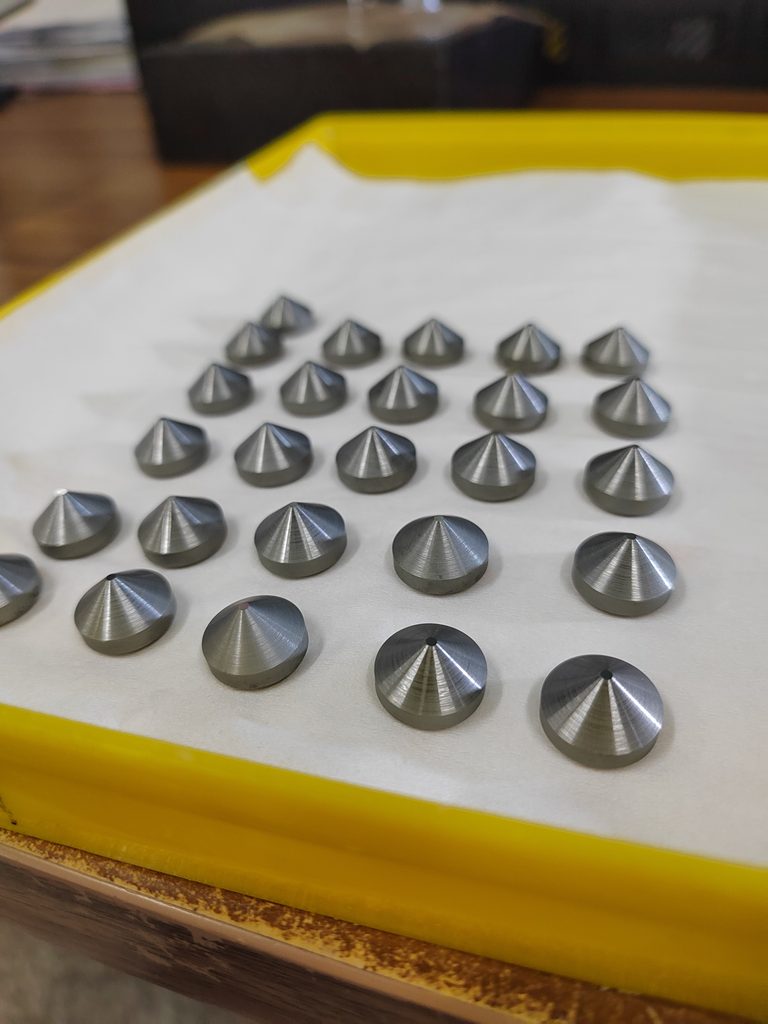
Core Germanium Material Properties
Table 1 – Key Germanium Specifications
| Property | Value |
|---|---|
| Symbol | Ge |
| Atomic Number | 32 |
| Electron configuration for germanium | [Ar] 3d¹⁰ 4s² 4p² |
| Germanium colour | Lustrous grayish-white / silvery-gray |
| Classification | Metalloid (not a true metal) |
| Ductility | Brittle; is germanium ductile? No |
| Melting Point | 938.25 °C |
| Density | 5.32 g/cm³ |
| Bandgap (300K) | 0.67 eV |
Is germanium a metal?
Germanium is not a metal. It is classified as a metalloid (semi-metal). It has a shiny metallic luster like metals but behaves as a semiconductor, with electrical conductivity between metals and insulators. Unlike typical metals, germanium is brittle and cannot be drawn into wire or rolled into sheet easily.
Germanium colour
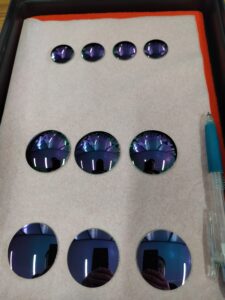
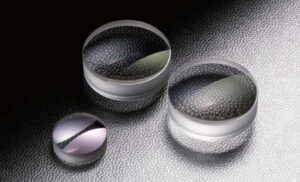
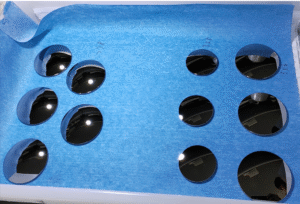
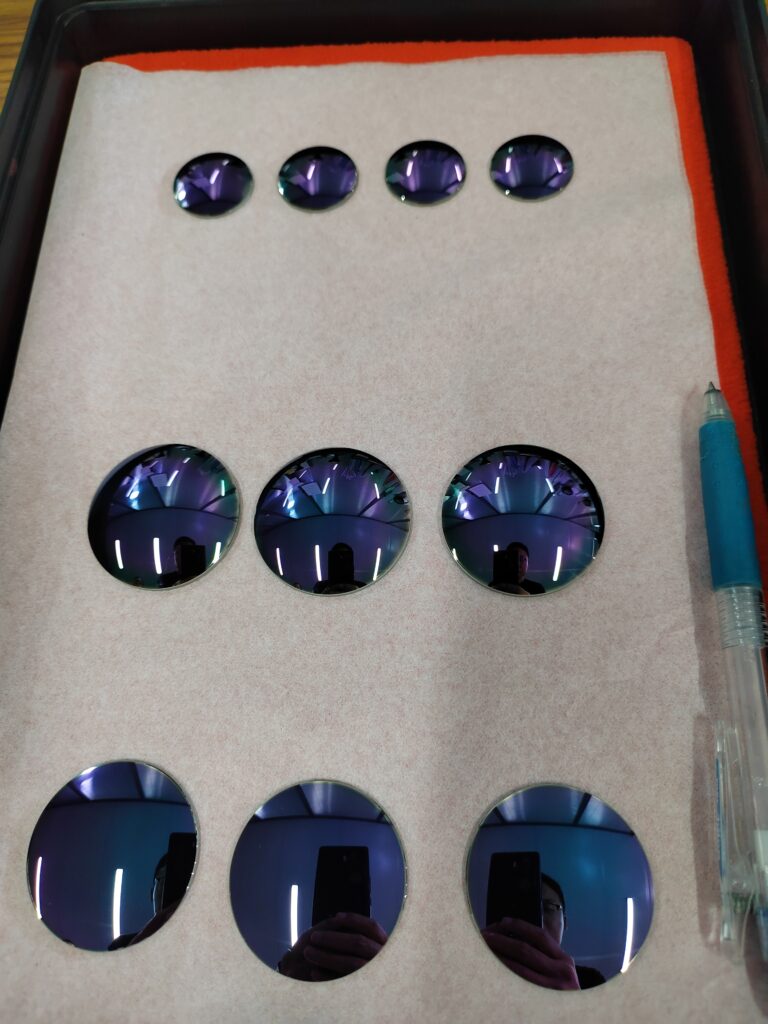
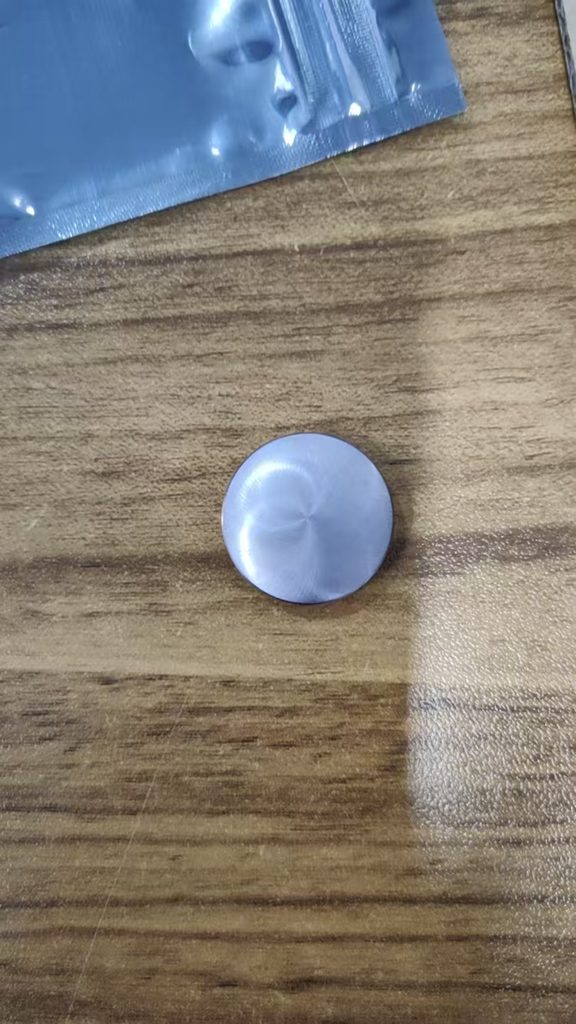
Solid elemental germanium has a lustrous grayish-white, silvery-gray appearance when freshly cleaved. Oxidized surfaces can turn dull gray. Single-crystal germanium used in optics is polished to a mirror finish and appears dark once processed for infrared transmission.
Is germanium ductile?
Germanium is not ductile. It is hard and brittle at room temperature. Under mechanical stress, germanium will fracture rather than deform plastically. This is a major consideration for optical machining at a germanium plant: germanium lenses and windows require careful grinding, polishing and handling to avoid chipping.
Electron configuration for germanium
The electron configuration for germanium is [Ar] 3d¹⁰ 4s² 4p². The simplified shell configuration is 2, 8, 18, 4. Four valence electrons in the outer p-shell explain its diamond cubic crystal structure and semiconductor behavior, similar to silicon. This atomic structure is the foundation of its optical and electronic performance for semiconductor and IR optics work.
Germanium pronunciation
Germanium is pronounced: /dʒɜːrˈmeɪniəm/ (jur-MAY-nee-əm).
Germanium Oxide
Germanium oxide, most commonly germanium dioxide (GeO₂), is the primary feedstock for a commercial germanium plant. Germanium dioxide exists in two crystal forms: hexagonal (soluble) and rutile (insoluble).
Germanium oxide has high refractive index and excellent infrared transparency. In US optical manufacturing, GeO₂ is used for:
- IR-transparent optical glass and wide-angle lens blanks
- Fiber-optic core dopant to raise refractive index in telecom fiber
- PET polymerization catalyst
- Precursor for reduction into high-purity germanium metal ingots inside a germanium plant
When a germanium plant reduces germanium oxide under controlled hydrogen atmosphere, it produces elemental germanium metal for crystal pulling, wafer fabrication and infrared window machining.
Silicon and Germanium Comparison
Silicon and germanium are both Group 14 semiconductors, widely compared by semiconductor and optical design teams.
| Feature | Silicon | Germanium |
|---|---|---|
| Bandgap | 1.12 eV | 0.67 eV |
| IR Transmission | Opaque in mid-wave IR | Transparent across 2–14 μm infrared band |
| Ductility | Brittle | Brittle |
| Primary use | Microchips, solar cells | IR optics, SiGe chips, fiber optics |
| Raw material abundance | Very abundant | Scarce byproduct of zinc/coal refining |
Silicon dominates microelectronics because of low cost and excellent thermal stability. Germanium’s strength is infrared photonics. Silicon-germanium (SiGe) alloys combine both materials for high-speed RF semiconductors. This is why germanium plant output focuses heavily on optical-grade single crystal rather than mainstream digital chips.
Germanium Uses
Germanium uses split between photonics, fiber optics, electronics and specialty chemistry. For US optical industry customers, the top applications from a germanium plant are:
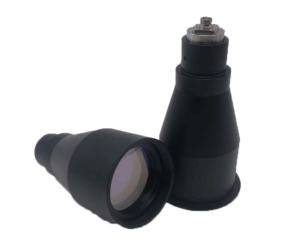
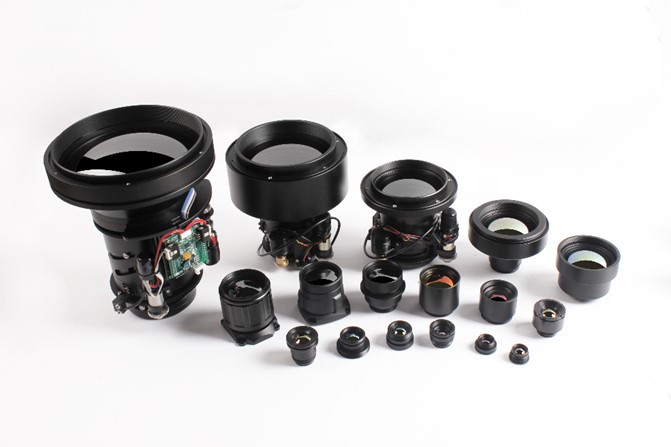
- Infrared optical components: IR lenses, windows, domes for thermal cameras, FLIR systems and night vision equipment. This is the largest optical use case.
- Fiber-optic communications: Germanium oxide dopant increases refractive index in fiber core for long-distance telecom networks.
- Semiconductors & SiGe devices: High-speed RF transistors, photodetectors and high-resolution X-ray detectors.
- Solar cells: Multi-junction photovoltaic cells for space and concentrated PV systems.
- Catalysis: Germanium oxide catalyst for PET plastic resin production.
Germanium Price per kg
Germanium price per kg fluctuates based on global supply, mining byproduct output, export controls and demand from infrared defense and fiber optics sectors. High-purity 5N+ optical-grade germanium metal from a germanium plant commands a much higher germanium price per kg than lower-grade metallurgical germanium.
Optical-grade germanium ingot pricing is volatile. Buyers sourcing from a germanium plant should distinguish between:
- Metallurgical grade germanium
- 4N semiconductor grade
- 5N / 6N optical single-crystal germanium (used for IR blanks)
- Germanium oxide powder pricing (usually cheaper than metal ingot per kilogram)
Safety: Is germanium toxic? Is germanium dangerous?
Is germanium toxic? Bulk solid elemental germanium has low acute toxicity and no known essential biological role in humans. Skin contact with solid germanium pieces poses minimal hazard.
Is germanium dangerous? Risks appear in specific forms:
- Fine germanium dust can irritate respiratory tracts during grinding, lapping and polishing at a germanium plant. Local exhaust ventilation and PPE are required.
- Germanium tetrachloride (GeCl₄) and germane gas (GeH₄) are corrosive or highly toxic; these are intermediate chemicals inside a germanium plant, not finished solid germanium optics.
- Some organic germanium supplements sold in consumer markets carry documented health risks, but this is unrelated to industrial germanium metal or germanium oxide used in photonics.
Standard industrial safety protocols at a germanium plant cover dust control, chemical containment and gas monitoring for these hazardous process intermediates.
Interesting facts about germanium
- Mendeleev predicted germanium’s existence and properties in 1871 as “eka-silicon”; Clemens Winkler discovered it in 1886.
- The first functional transistor built at Bell Labs in 1947 used germanium, before silicon took over consumer electronics.
- Germanium expands when it solidifies from liquid, similar to water ice.
- Germanium is not mined as a primary ore; nearly all commercial supply is recovered as a byproduct of zinc ore processing and coal fly ash.
- Polished germanium lenses are opaque to visible light but fully transparent to mid-wave and long-wave infrared radiation, making it ideal for thermal cameras.
Frequently Asked Questions (Q&A)
Q1: Is germanium a metal? A: No, germanium is a metalloid (semi-metal). It has metallic luster but semiconductor electrical behavior.
Q2: What is the electron configuration for germanium? A: [Ar] 3d¹⁰ 4s² 4p². Outer shell has four valence electrons.
Q3: What colour is germanium? A: Fresh germanium surface is lustrous grayish-white / silvery-gray.
Q4: Is germanium ductile? A: No. Germanium is brittle; it fractures under load instead of bending.
Q5: Is germanium toxic or dangerous to handle? A: Solid bulk germanium has low toxicity. Fine dust, germanium tetrachloride and germane gas are the main hazards inside a germanium plant.
Q6: What is germanium oxide used for? A: Feedstock for germanium metal production, IR optical glass, fiber-optic dopant and PET polymerization catalyst.
Q7: What are the main germanium uses in optics? A: Infrared lenses, windows, domes for thermal imaging, FLIR and night vision systems.
Q8: How does silicon and germanium differ for optical applications? A: Silicon is opaque in mid-wave IR, germanium transmits well across the thermal infrared spectrum. Silicon dominates microchips; germanium is the standard infrared optical material.
Q9: What controls germanium price per kg? A: Supply from zinc byproduct refining, export policy, defense IR demand and purity grade (optical single crystal commands premium germanium price per kg).
Q10: How to pronounce germanium? A: /dʒɜːrˈmeɪniəm/ (jur-MAY-nee-əm).
Conclusion
A germanium plant transforms low-concentration byproduct feedstock into high-value germanium oxide and ultra-pure germanium single crystal for the US photonics and semiconductor industries. When specifying IR optics or SiGe components, design engineers must account for germanium’s brittle nature, infrared transmission window, germanium price per kg volatility and process safety limits.
Germanium remains irreplaceable for thermal infrared systems, even as silicon technology continues to advance. Understanding its electron configuration, toxicity profile and material comparison between silicon and germanium helps procurement and optical design teams select the right grade when working with a germanium plant for lens blanks, windows or raw germanium oxide.