







Micro Prism: Types, Applications & Custom Optical Design | BOTE
Learn about their optical principles, materials, applications, precision requirements, and custom manufacturing.
A micro prism is a miniature optical prism designed to control, redirect, reflect, or manipulate light within a compact optical system.
Unlike conventional optical prisms, which are commonly used in larger imaging instruments, micro prisms are designed for applications where space is limited and precise light control is essential.
Depending on the geometry, a micro prism can change the direction of a light beam, rotate an image, separate optical paths, or return light toward its source.
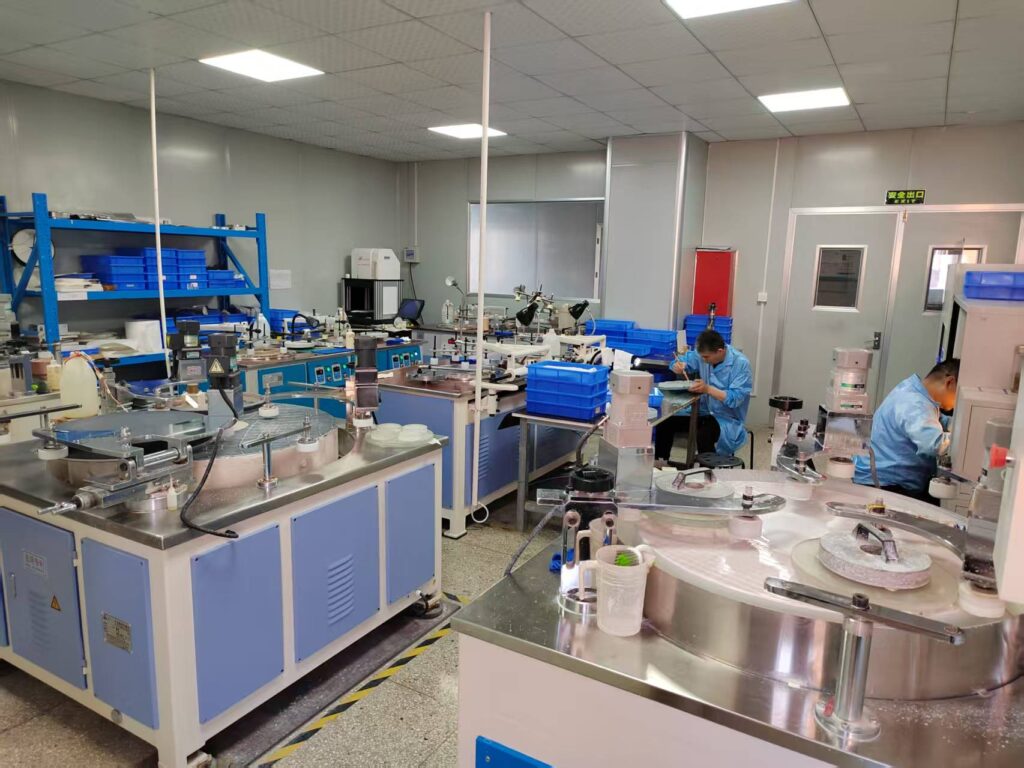
Micro prisms are typically manufactured from optical materials such as BK7 glass, fused silica, and other specialized optical substrates. Their dimensions can range from a few millimeters down to sub-millimeter sizes, depending on the application.
Micro prisms work by controlling the path of light through refraction, reflection, or total internal reflection (TIR).
When light enters a prism, it changes direction according to the refractive indices of the prism material and the surrounding medium.
The basic relationship is described by Snell’s law:
n1 sin(θ1) = n2 sin(θ2)
Where:
n1 = Refractive index of the first medium.
n2 = Refractive index of the second medium.
θ1 = Angle of incidence.
θ2 = Angle of refraction.
Depending on the prism geometry and the angle of incidence, light can be redirected through different optical paths.
Total internal reflection occurs when light travels from a higher-refractive-index medium toward a lower-refractive-index medium and reaches the interface at an angle greater than the critical angle.
The critical angle is:
θc = sin⁻¹(n2 / n1)
This condition allows an optical prism to reflect light internally without requiring a reflective coating on the reflecting surface.
For example, an uncoated right angle prism can redirect light by 90 degrees through total internal reflection when its geometry and incidence conditions are suitable.
However, total internal reflection requires an appropriate refractive-index boundary. Contact with another material or certain mounting adhesives can affect this condition.
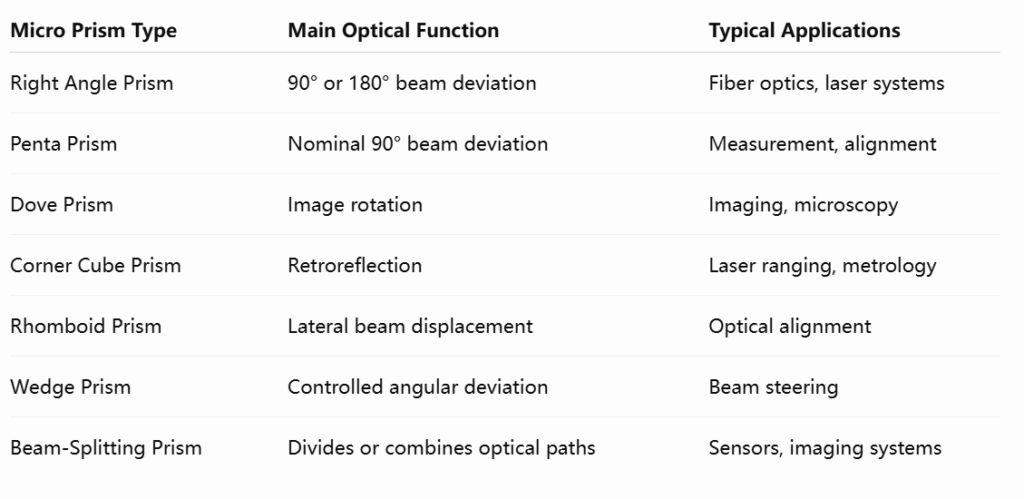
Micro prisms are available in different geometries, each designed for a specific optical function.
Choosing the correct prism type requires understanding the required beam path, image orientation, angular deviation, and mechanical arrangement.
The most suitable micro prism depends on the optical function, system dimensions, wavelength, and required precision.
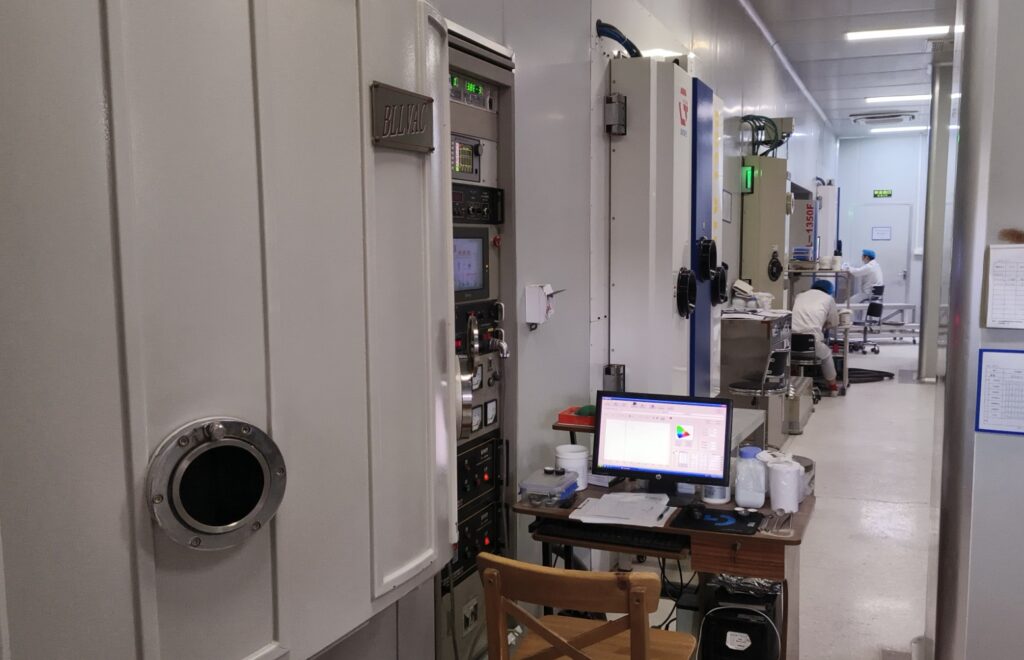
Optical coatings can be designed for different wavelength ranges and applications.
Available coating technologies include:
Anti-reflection coatings.
High-reflection coatings.
Broadband coatings.
Gold coatings.
Dielectric coatings.
ITO coatings.
DLC coatings.
For micro prisms, coating specifications must consider the actual reflecting or transmitting surface, angle of incidence, and required optical efficiency.
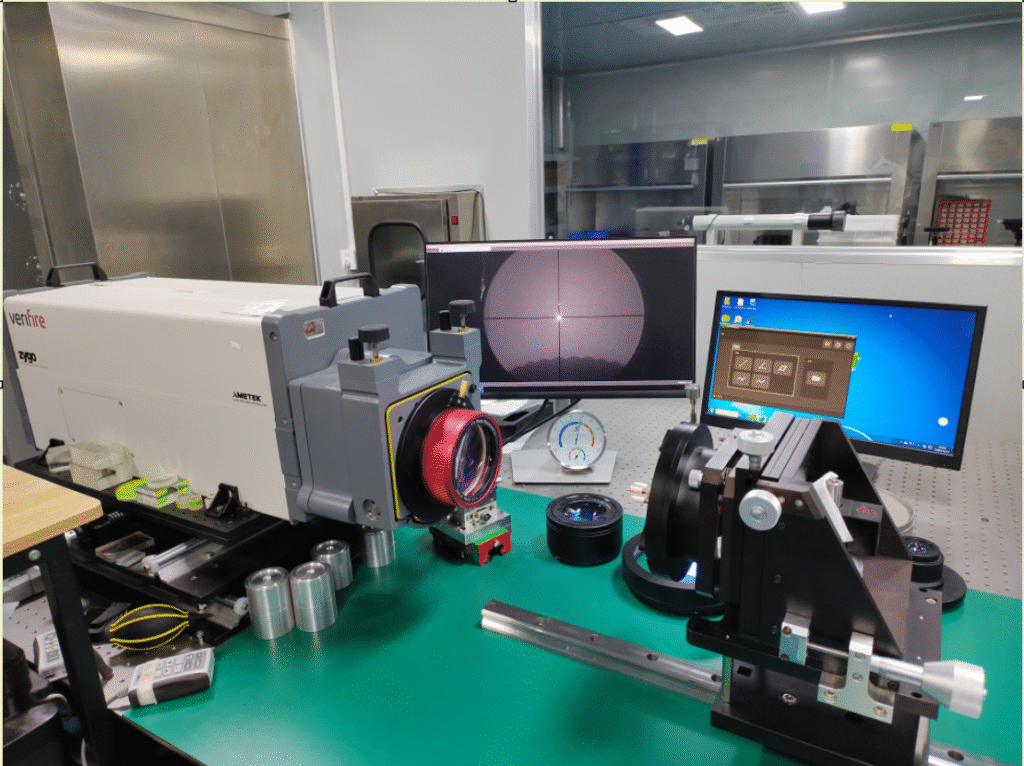
Optical inspection is essential for verifying the quality of precision optical components.
BOTE uses optical metrology equipment, including interferometers, spectrophotometers, centering measurement systems, and other precision inspection instruments.
These capabilities support the evaluation of optical surface quality, dimensional accuracy, and spectral performance.


Bote Optics (S) Pte Ltd is a premier high-tech enterprise based in Singapore, specializing in cutting-edge optics and lens manufacturing and coating solutions.
© 2025 bote.com.sg All Rights Reserved.
SPIE Photonics West 2026
Jan 20-22, 2026
The Moscone Center, San Francisco, California, USA
Company Name: BOTE OPTICS
Stand No. #138
WhatsApp us